Giving Second Chances to Horses and Humans.
Rescuing horses. Restoring trust. Creating meaningful connection.
Our Story
A Simple but Powerful Truth
Legacy Hooves was born from a simple but powerful truth: both horses and humans deserve second chances.
Where the Vision Began
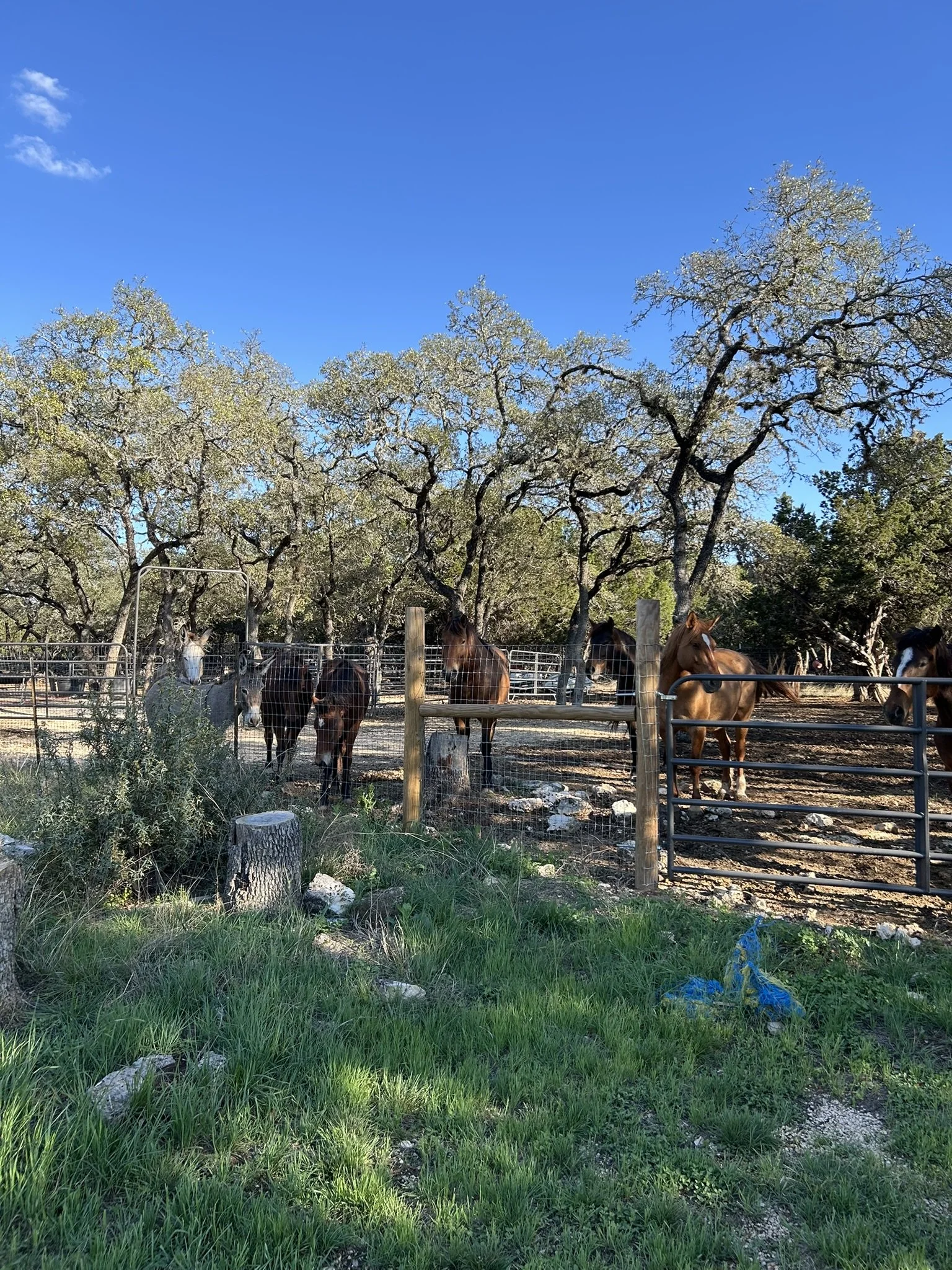
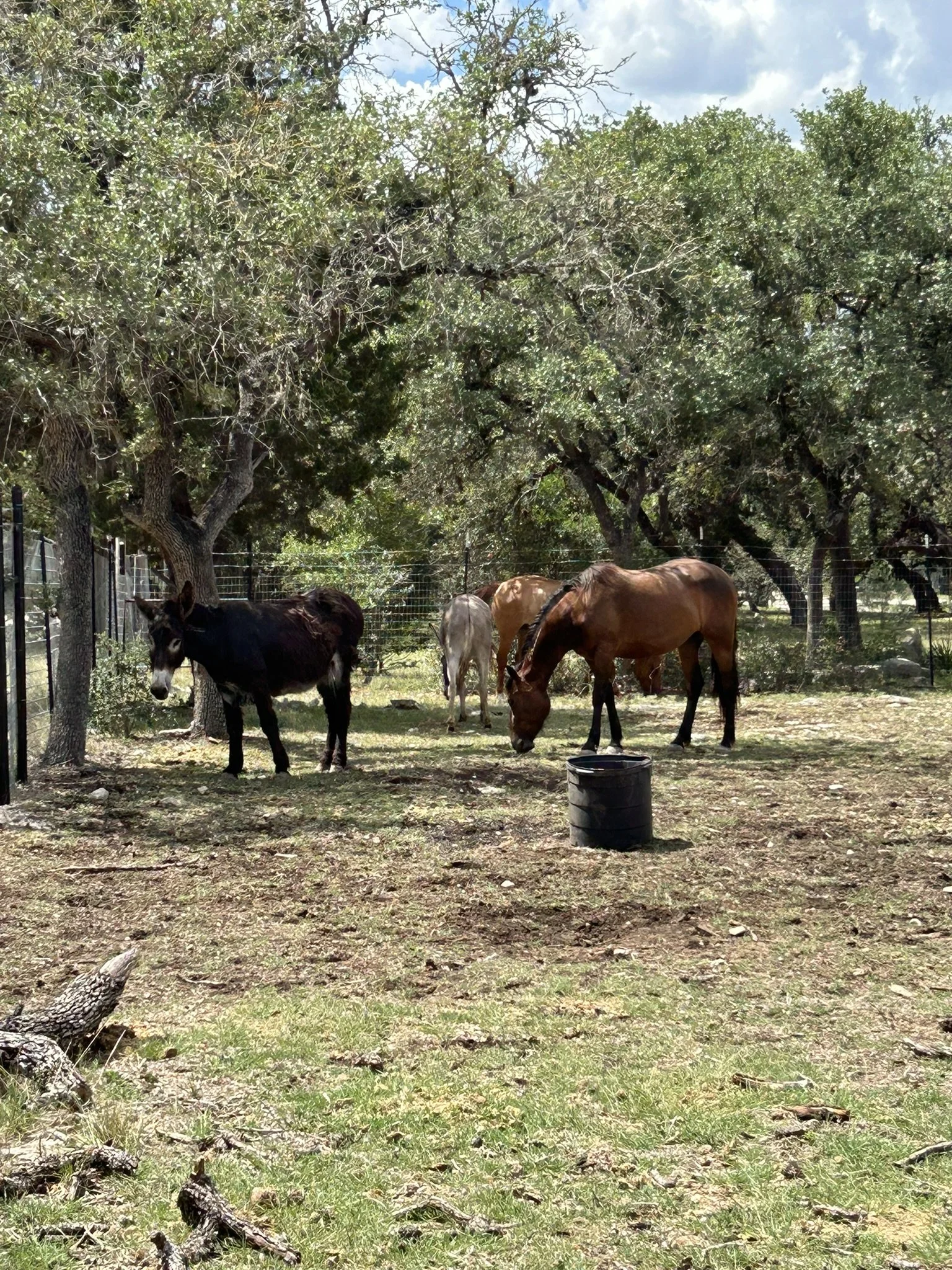
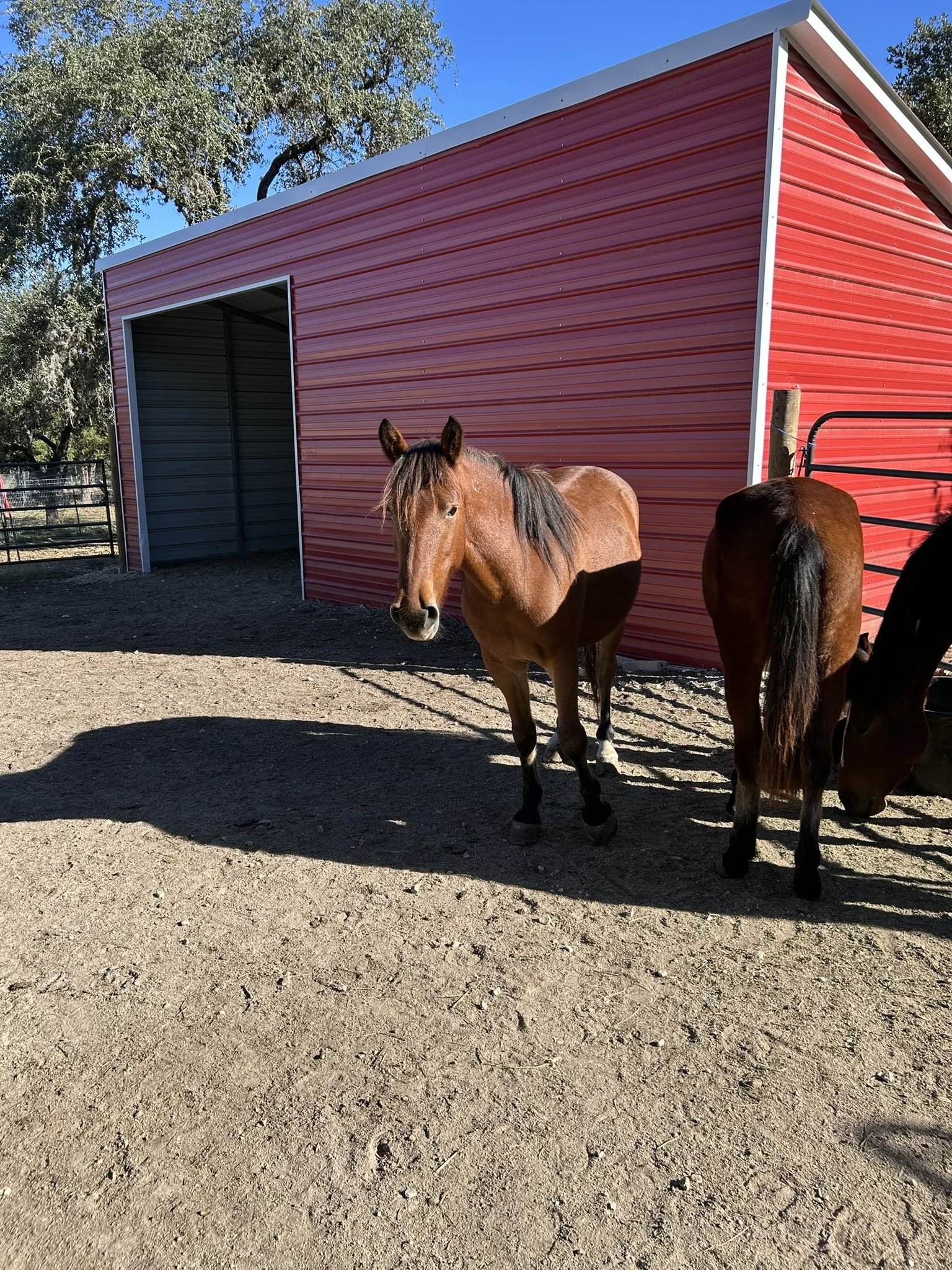
Founders Mike and Kim Pilmore witnessed the quiet strength of rescued horses and the way they reflect human healing. What began as caring for a small herd of mustangs and donkeys grew into a vision for a nonprofit dedicated to compassion, community, and resilience.
A Place for the Horses Others Won’t Take
Legacy Hooves Equine Center exists to provide second chances for vulnerable horses while creating opportunities for healing, growth, and connection for people.
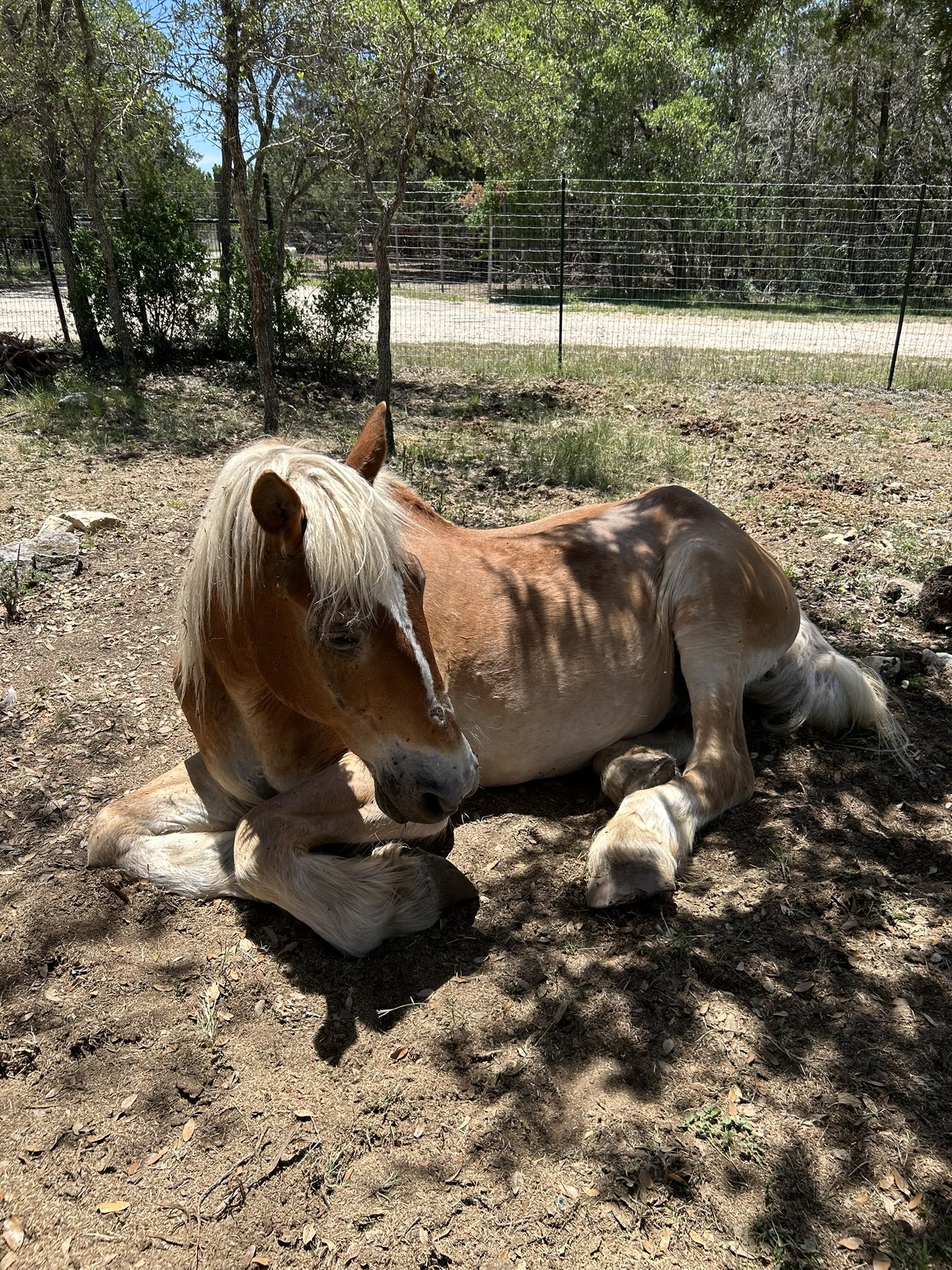
Many of the horses that come to Legacy Hooves are those others are unable or unwilling to accept — including ungentled mustangs, older working horses, and animals requiring stabilization after neglect, abandonment, or the end of their working lives.
Rebuilding Trust
Through patient care, structured rehabilitation, and compassionate handling, these horses are given the time and stability needed to rebuild trust and regain purpose.
The Power Horses Offer People
At the same time, horses offer something uniquely powerful to people. Their quiet presence, sensitivity, and ability to respond to human emotions create opportunities for reflection, confidence, and resilience.
Two Journeys Becoming One
Legacy Hooves brings these two journeys together — helping horses rediscover safety and purpose while helping people experience meaningful connection and personal growth.
The Legacy Continues
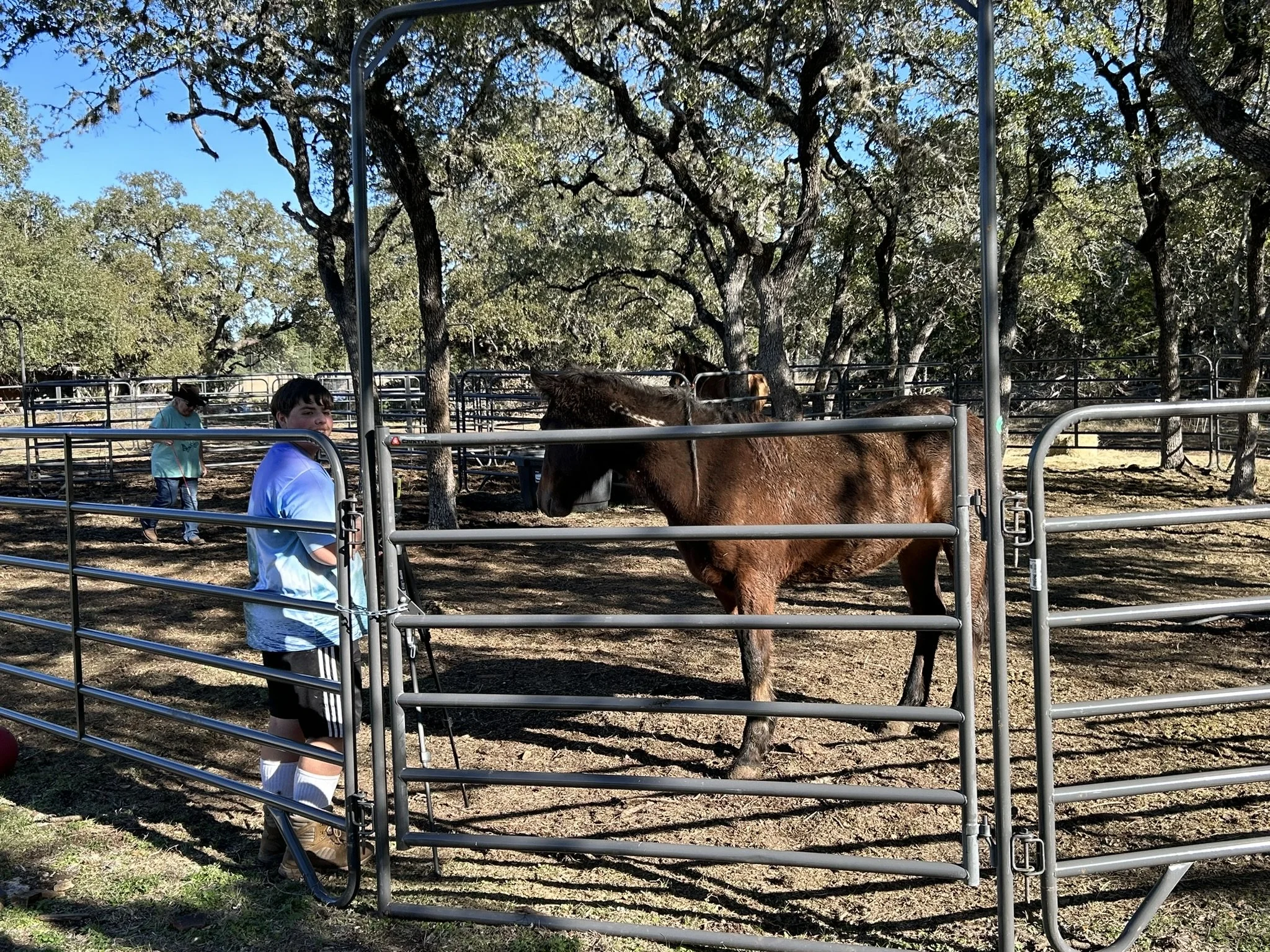
Today, Legacy Hooves stands as a place where rescued horses are given time, care, and purpose — and where people discover healing, confidence, and connection through meaningful interaction with them.
“Every hoofprint leaves a legacy.”
— Legacy Hooves
The Legacy Hooves Model
Legacy Hooves Equine Center operates with a long-term vision for both horses and people.
Rather than focusing only on short-term rescue, we provide a structured pathway that allows horses the time they need to stabilize, rebuild trust, and rediscover meaningful purpose.
Each horse accepted into Legacy Hooves receives:
• careful intake evaluation
• individualized rehabilitation and stabilization
• gradual handling and trust-building
• safe placement into appropriate partnership roles or lifelong sanctuary care
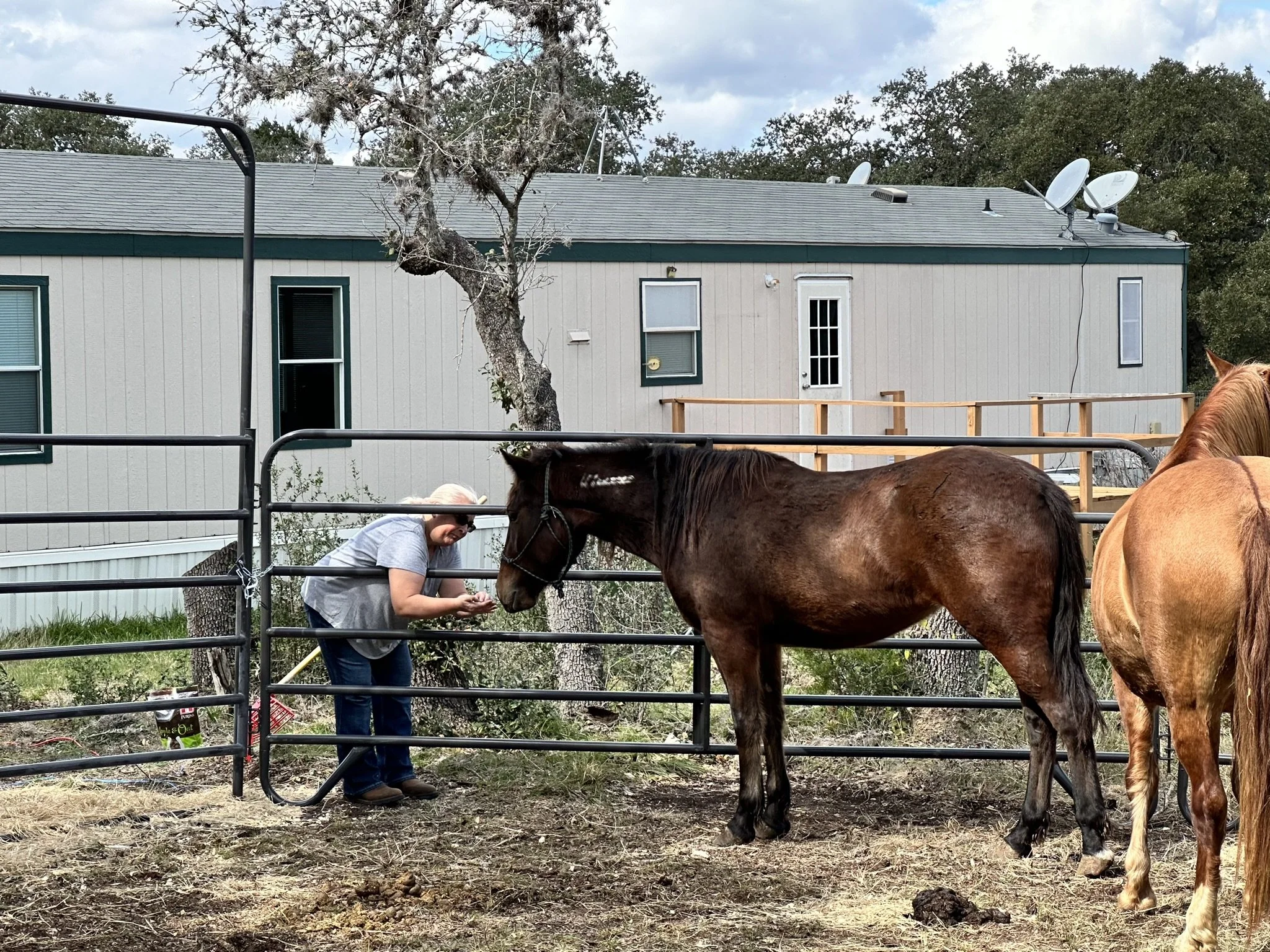
Some horses will eventually participate in carefully structured equine-assisted learning experiences, helping individuals and families build confidence, emotional regulation, and resilience.
Others may remain part of the Legacy Hooves sanctuary herd, living out their lives in safety while continuing to contribute to the quiet work of healing that horses so naturally provide.
Through this model, Legacy Hooves creates lasting second chances — not temporary solutions — for both horses and the people they serve.
Our Purpose
Our Mission
Legacy Hooves Equine Center rescues, rehabilitates, and repurposes at-risk horses while providing trauma-informed, non-clinical equine-assisted learning experiences that strengthen individuals, families, and communities.
Our Vision
A world where vulnerable horses are given the time, care, and trust needed to regain stability and purpose — and where people discover resilience, connection, and hope through meaningful interaction with them.
About the Organization
Legacy Hooves Equine Center Inc is a registered 501(c)(3) nonprofit organization based in Texas, committed to rescuing and rehabilitating vulnerable horses while creating meaningful opportunities for human connection, resilience, and growth through equine partnership.
Be Part of the Legacy
Every horse at Legacy Hooves represents a second chance. Through compassionate care and meaningful equine partnership, we work to create lasting impact for both horses and the people they touch.
Join Us in Leaving a Legacy.
Your support helps provide care for rescued horses while making it possible for people in our community to experience the powerful connection between horses and humans.